
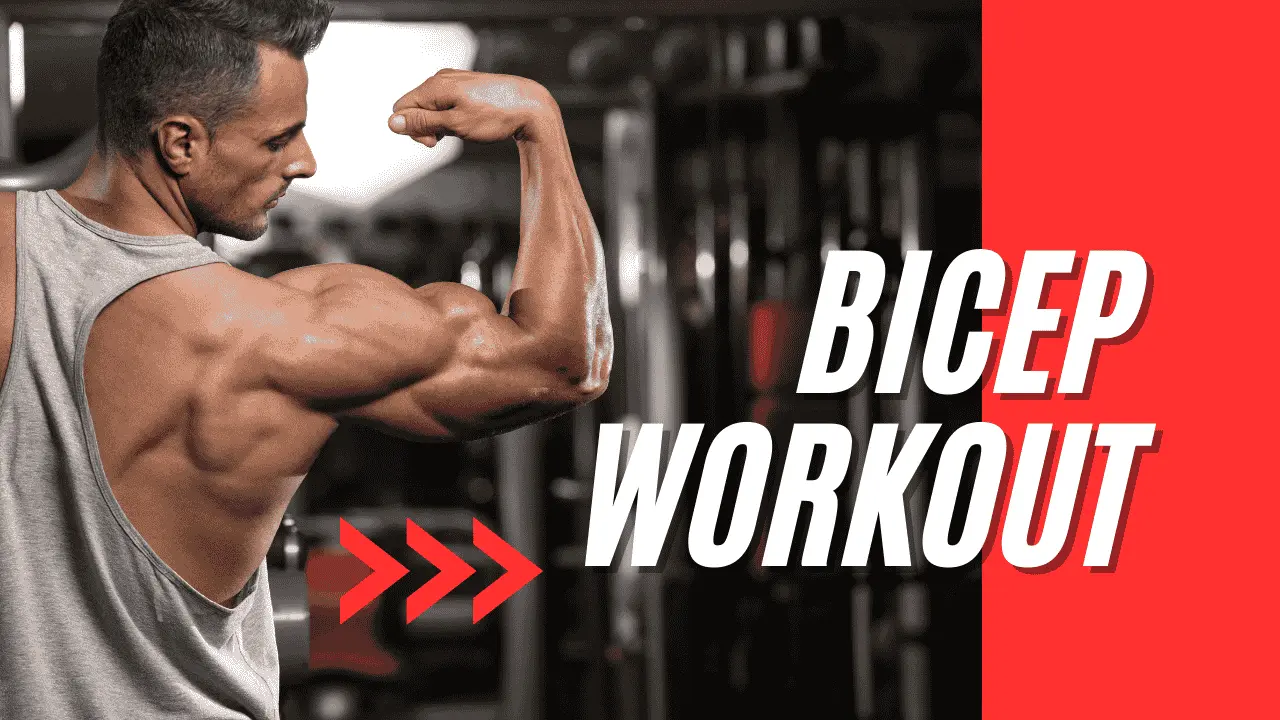
Before you start chasing harder variations
Use this guide if you want bigger biceps with cleaner curling mechanics and less junk volume that only makes your elbows cranky.
Most arm sessions become a competition in swinging heavier dumbbells This guide fixes that by giving you a structured biceps plan that starts with stable technique and only then asks for more load or more volume.
Use it when you want build arm size with cleaner elbow-flexion mechanics and less wasted volume without wasting half the session on random exercises that do not repeat well from week to week. Each featured movement below includes step-by-step execution, common mistakes, pro tips, and local form videos so the plan feels usable immediately.
How to use this page without overthinking it
If you want the page to feel usable immediately, follow this order first.
Run the first session as written
Start with main arm day and let Standing Dumbbell Curl set the tone. The page becomes easier to judge when day one is clean instead of overbuilt.
Use the anchor lifts, then flex the rest
Keep the first one or two movements consistent and use the listed home or gym swaps only when the setup demands it. The anchors matter more than perfect exercise loyalty.
Track one performance signal
Log sets, reps, and one technique note on Standing Dumbbell Curl. If that one movement looks better next week, the page is already giving you useful feedback.
Biceps training principles that matter more than extra exercises
Most people do not need more biceps exercises. They need better exercise order, cleaner range of motion, and a weekly structure they can repeat while fresh enough to notice progress.
This guide keeps the session tight on purpose: a lead movement for strength, a middle stretch for repeatable volume, and just enough accessory work to round out the pattern.
Use this page if these realities apply to you
Keep reading if you want a cleaner route to build arm size with cleaner elbow-flexion mechanics and less wasted volume without chasing random fixes.
- You want visible arm progress without turning every curl into a shoulder exercise.
- You need a short arm session that fits after back day or upper day.
- You are training at home or with light dumbbells and still want the workout to feel productive.
The weekly structure that keeps momentum steady
Run this plan for 4-6 weeks before making big changes. If recovery stays good, you can pair it with another body-part day later in the week.
The schedule below assumes you are training three to five days per week. If you only train three days, keep the first biceps day and rotate accessories from the second exposure into the next week.
| Day | Focus | Main session | Support work |
|---|---|---|---|
| Day 1 | Main arm day | Standing curl, hammer curl, incline curl | Finish with cable or band work |
| Day 2 | Rest or back day | Rows and pulldowns | Keep direct biceps volume low |
| Day 3 | Pump and control | Cable curl, preacher curl, reverse curl | Use shorter rest times |
| Day 4 | Recovery | Light walking and forearm mobility | No extra junk sets |
Form notes and practical exercise details
If you get the standing curl, hammer curl, and incline dumbbell curl right, most of this biceps page starts working in your favor. The notes below explain how to keep tension where it belongs.
Standing Dumbbell Curl
The standing curl is easy to load, easy to repeat, and a strong first step for learning elbow flexion without machines. In the context of Biceps Workouts for Beginners: grow stronger arms with stricter form and smarter volume, this movement earns its place because it teaches repeatable effort instead of random fatigue.
Target muscles: Biceps brachii and brachialis
Step-by-step instructions
- Stand tall, lock your ribcage, and start with the elbows a little in front of the torso.
- Curl only as fast as you can keep the shoulders down and the wrists neutral.
- Squeeze at the top for a clean contraction instead of swinging past the hardest point.
- Lower the weight for a deliberate eccentric to make lighter loads effective.
Common mistakes
- Swinging from the hips and forcing the front delts to finish the rep.
- Using a wrist bend that shifts tension away from the biceps.
Pro tips
- On the last set, slow the lowering phase to three seconds instead of adding more swing-prone weight.
For Standing Dumbbell Curl, work in the 3 x 10-12 range here and leave a little technical margin so the last rep still looks like the first in this biceps workout.
Home alternative: Backpack curl
Gym alternative: EZ-bar curl
Hammer Curl
Hammer curls add arm thickness and usually feel better on the wrists for beginners. In the context of Biceps Workouts for Beginners: grow stronger arms with stricter form and smarter volume, this movement earns its place because it teaches repeatable effort instead of random fatigue.
Target muscles: Brachialis, brachioradialis, biceps
Step-by-step instructions
- Stand tall, lock your ribcage, and start with the elbows a little in front of the torso.
- Curl only as fast as you can keep the shoulders down and the wrists neutral.
- Squeeze at the top for a clean contraction instead of swinging past the hardest point.
- Lower the weight for a deliberate eccentric to make lighter loads effective.
Common mistakes
- Swinging from the hips and forcing the front delts to finish the rep.
- Using a wrist bend that shifts tension away from the biceps.
Pro tips
- On the last set, slow the lowering phase to three seconds instead of adding more swing-prone weight.
A practical starting point for Hammer Curl on this biceps workout is 3 sets of 10-12. End the set when speed or position starts to slip.
Home alternative: Neutral-grip band curl
Gym alternative: Cable rope hammer curl
Incline Dumbbell Curl
The stretched setup makes light weights feel much harder when you stay strict. In the context of Biceps Workouts for Beginners: grow stronger arms with stricter form and smarter volume, this movement earns its place because it teaches repeatable effort instead of random fatigue.
Target muscles: Long head of the biceps
Step-by-step instructions
- Stand tall, lock your ribcage, and start with the elbows a little in front of the torso.
- Curl only as fast as you can keep the shoulders down and the wrists neutral.
- Squeeze at the top for a clean contraction instead of swinging past the hardest point.
- Lower the weight for a deliberate eccentric to make lighter loads effective.
Common mistakes
- Swinging from the hips and forcing the front delts to finish the rep.
- Using a wrist bend that shifts tension away from the biceps.
Pro tips
- On the last set, slow the lowering phase to three seconds instead of adding more swing-prone weight.
Use roughly 3 sets of 8-10 for Incline Dumbbell Curl in this biceps workout. The goal is repeatable quality, not squeezing out sloppy extras.
Home alternative: Seated leaned-back curl on bed or chair
Gym alternative: Machine preacher curl
Cable Curl
Cable curls are excellent for finishing the session without needing heavy loads or momentum. In the context of Biceps Workouts for Beginners: grow stronger arms with stricter form and smarter volume, this movement earns its place because it teaches repeatable effort instead of random fatigue.
Target muscles: Constant-tension biceps work
Step-by-step instructions
- Stand tall, lock your ribcage, and start with the elbows a little in front of the torso.
- Curl only as fast as you can keep the shoulders down and the wrists neutral.
- Squeeze at the top for a clean contraction instead of swinging past the hardest point.
- Lower the weight for a deliberate eccentric to make lighter loads effective.
Common mistakes
- Swinging from the hips and forcing the front delts to finish the rep.
- Using a wrist bend that shifts tension away from the biceps.
Pro tips
- On the last set, slow the lowering phase to three seconds instead of adding more swing-prone weight.
For Cable Curl, work in the 2 x 12-15 range here and leave a little technical margin so the last rep still looks like the first in this biceps workout.
Home alternative: Band curl
Gym alternative: Dual-cable curl
Preacher Curl
Preacher curls make cheating obvious, which is why they help beginners clean up technique. In the context of Biceps Workouts for Beginners: grow stronger arms with stricter form and smarter volume, this movement earns its place because it teaches repeatable effort instead of random fatigue.
Target muscles: Elbow-flexion strength with less body English
Step-by-step instructions
- Stand tall, lock your ribcage, and start with the elbows a little in front of the torso.
- Curl only as fast as you can keep the shoulders down and the wrists neutral.
- Squeeze at the top for a clean contraction instead of swinging past the hardest point.
- Lower the weight for a deliberate eccentric to make lighter loads effective.
Common mistakes
- Swinging from the hips and forcing the front delts to finish the rep.
- Using a wrist bend that shifts tension away from the biceps.
Pro tips
- On the last set, slow the lowering phase to three seconds instead of adding more swing-prone weight.
Sets and reps for Preacher Curl in this biceps workout: 2 sets of 10-12. Stop with 1-2 solid reps still in reserve unless the page says otherwise.
Home alternative: Concentration curl
Gym alternative: Machine preacher curl
Reverse Curl
Adding a reverse curl keeps elbow health and forearm strength from becoming the weak point of arm training. In the context of Biceps Workouts for Beginners: grow stronger arms with stricter form and smarter volume, this movement earns its place because it teaches repeatable effort instead of random fatigue.
Target muscles: Forearms and brachioradialis
Step-by-step instructions
- Stand tall, lock your ribcage, and start with the elbows a little in front of the torso.
- Curl only as fast as you can keep the shoulders down and the wrists neutral.
- Squeeze at the top for a clean contraction instead of swinging past the hardest point.
- Lower the weight for a deliberate eccentric to make lighter loads effective.
Common mistakes
- Swinging from the hips and forcing the front delts to finish the rep.
- Using a wrist bend that shifts tension away from the biceps.
Pro tips
- On the last set, slow the lowering phase to three seconds instead of adding more swing-prone weight.
A practical starting point for Reverse Curl on this biceps workout is 2 sets of 12-15. End the set when speed or position starts to slip.
Home alternative: Band reverse curl
Gym alternative: EZ-bar reverse curl
Schedule, food, and consistency notes
The page becomes more valuable when food, schedule, and recovery match the goal instead of fighting build arm size with cleaner elbow-flexion mechanics and less wasted volume.
Use a protein anchor plus enough carbs to make the next session feel repeatable: eggs, milk, paneer, curd, dal, soy, rice, roti, potatoes, bananas, and peanuts still do most of the heavy lifting around main arm day.
Pre-workout
Use easy digestion before training: banana with curd, poha with peanuts, toast with eggs, fruit plus milk, or a lighter rice-and-dal meal if main arm day lands later in the day.
Consistency move
Home training gets better when the opening minute is already decided. Lay out Standing Dumbbell Curl, start the timer, and let momentum do the rest.
What readers usually skip
- Track the quality of the top contraction, not just the dumbbell number.
- Most beginners grow better from 8-12 honest weekly sets than from twenty sloppy ones.
- If elbows feel irritated, reduce straight-bar work and use neutral-grip options for a week.
- Direct arm work still responds better when sleep and protein intake are stable.
How progress usually unfolds when the basics are working
Good progression should make Standing Dumbbell Curl and Hammer Curl look steadier before it makes the page feel dramatically harder.
Week 1: Build the groove
Start with cleaner reps, calmer pacing, and enough restraint that the second exposure still feels useful. The point is to build rhythm around main arm day, not to win the week.
Week 2: Add useful work
Add a small rep increase or one extra set on the first one or two movements if form stays sharp, especially around Standing Dumbbell Curl. If recovery is bad, keep volume steady and improve execution instead of forcing build arm size with cleaner elbow-flexion mechanics and less wasted volume.
Week 3: Push the main lifts a little
This is the week to make Standing Dumbbell Curl feel more serious without turning the session chaotic. Small load jumps or cleaner tempo usually beat a dramatic rewrite when the goal is build arm size with cleaner elbow-flexion mechanics and less wasted volume.
Week 4: Compare, then recycle
Use the fourth week as a checkpoint, not a finish line. If the anchor lifts in main arm day are cleaner and recovery is manageable, recycle the structure and keep building from there.
Pumps improve almost immediately, but visible arm growth usually needs 6-10 weeks of repeatable training, eating, and recovery. Cleaner form often adds progress faster than heavier cheating reps.
Beginner-to-intermediate adjustments
Use the notes below to keep Standing Dumbbell Curl productive whether your current level is brand new, rusty, or ready for a little more output in a commercial gym or well-equipped home setup.
If you are newer than you think
Keep the page smaller than your motivation. Use the main lifts, leave a little in reserve, and make your setup on Standing Dumbbell Curl look the same every time before adding more total work toward build arm size with cleaner elbow-flexion mechanics and less wasted volume.
If you already have a base
More advanced readers usually do better by tightening exercise order, rest periods, and load jumps rather than stuffing the session with extra movements that dilute the point of build arm size with cleaner elbow-flexion mechanics and less wasted volume.
| Main movement | Home-friendly option | Gym-friendly option |
|---|---|---|
| Standing Dumbbell Curl | Backpack curl | EZ-bar curl |
| Hammer Curl | Neutral-grip band curl | Cable rope hammer curl |
| Incline Dumbbell Curl | Seated leaned-back curl on bed or chair | Machine preacher curl |
| Cable Curl | Band curl | Dual-cable curl |
| Preacher Curl | Concentration curl | Machine preacher curl |
| Reverse Curl | Band reverse curl | EZ-bar reverse curl |
FAQ for this page
This FAQ is here to handle the practical doubts that usually show up after the first read.
Do I need every exercise listed on this page?
No. The first one or two anchor movements matter most. Use the substitutions when your setup demands it and keep the training intent intact instead of forcing one exact version.
How many times a week should I use this guide?
Use it at the frequency suggested in the weekly layout and let Standing Dumbbell Curl tell you whether recovery is keeping up. If the first movement keeps getting sloppier, simplify before you add more volume.
When should I progress the plan?
Progress when the current version looks cleaner and more repeatable, not just when you feel impatient. Small rep bumps, cleaner tempo, or one extra set usually beat a dramatic rewrite.
Trusted sources for this page
These references support the coaching choices in Biceps Workouts for Beginners: grow stronger arms with stricter form and smarter volume. They are here to ground the page in published guidance and better evidence, not to replace individualized coaching or medical care.
Alok Kumar Sharma
Alok Kumar Sharma writes these workout guides from the perspective of a regular gym-goer who learned more from fixing inconsistency than from chasing perfect phases on the way to build arm size with cleaner elbow-flexion mechanics and less wasted volume.
- Focus: Indian budget fitness, beginner gym systems, body recomposition, and sustainable muscle gain
- Training style: strength-first technique, simple tracking, and realistic progress over flashy challenge culture
- Typical lens: crowded commercial gyms, home-workout friction, hostel meals, office fatigue, and family-kitchen meal planning
- Every core guide is reviewed by Rahul Verma, Certified Fitness Trainer (ISSA) for exercise safety, setup, tempo, substitutions, and progression clarity