

The real beginner problem this Legs workout solves
This page is built for 3-5 focused sessions a week with repeatable exercise selection and the kind of friction that shows up in a real home setup when build quads, glutes, and hamstrings with stable lower-body technique is the goal.
Many leg days fail because they are all pain and no progression This guide fixes that by giving you a structured legs plan that starts with stable technique and only then asks for more load or more volume.
Use it when you want build quads, glutes, and hamstrings with stable lower-body technique without wasting half the session on random exercises that do not repeat well from week to week. Each featured movement below includes step-by-step execution, common mistakes, pro tips, and local form videos so the plan feels usable immediately.
Legs training principles that matter more than extra exercises
Most people do not need more legs exercises. They need better exercise order, cleaner range of motion, and a weekly structure they can repeat while fresh enough to notice progress.
The first movement here teaches the main strength pattern, the middle of the session adds controlled volume, and the final slots are there to sharpen weak points without turning the whole workout into junk fatigue.
How to work through this page step by step
This section is here to make the guide easier to apply the same day you read it.
Run the first session as written
Start with strength emphasis and let Back Squat set the tone. The page becomes easier to judge when day one is clean instead of overbuilt.
Use the anchor lifts, then flex the rest
Keep the first one or two movements consistent and use the listed home or gym swaps only when the setup demands it. The anchors matter more than perfect exercise loyalty.
Track one performance signal
Log sets, reps, and one technique note on Back Squat. If that one movement looks better next week, the page is already giving you useful feedback.
How I would set up the week in real life
Run this plan for 4-6 weeks before making big changes. If recovery stays good, you can pair it with another body-part day later in the week.
The schedule below assumes you are training three to five days per week. If you only train three days, keep the first legs day and rotate accessories from the second exposure into the next week.
| Day | Focus | Main session | Support work |
|---|---|---|---|
| Day 1 | Strength emphasis | Back squat, Romanian deadlift, calf raise | Use split squat or leg curl later |
| Day 2 | Recovery and steps | Walking, mobility, easy cycling | Let soreness settle |
| Day 3 | Hypertrophy emphasis | Leg press, walking lunge, leg curl | Add calves or glute bridge |
| Day 4 | Rest | Normal activity only | Avoid extra high-impact work |
Best fit for this plan
Keep reading if you want a cleaner route to build quads, glutes, and hamstrings with stable lower-body technique without chasing random fixes.
- You want a leg workout that teaches both squatting and hinging instead of only machine fatigue.
- You feel unsure about lower-body form and want clearer exercise order and coaching.
- You need a session that can scale whether you train at home, in a gym, or in a mixed routine.
Exercise notes that matter in the moment
Back squats, Romanian deadlifts, and the leg press do most of the useful work here. The breakdown below focuses on how to make those lifts feel better and perform better over time.
Back Squat
The squat is the main leg-strength teacher for most beginners when mobility and bracing are coached well. In the context of Legs Workouts for Beginners: develop strong lower body mechanics from the ground up, this movement earns its place because it teaches repeatable effort instead of random fatigue.
Target muscles: Quads, glutes, adductors, trunk
Step-by-step instructions
- Plant the full foot, inhale into your midsection, and create tension before descending.
- Let the knees travel naturally while keeping pressure through the mid-foot instead of only the toes.
- Use a depth you can own with a neutral torso and stable hips.
- Stand up by driving the floor away, then reset the brace before repeating.
Common mistakes
- Rushing the descent so the knees and feet stop cooperating.
- Standing up with the chest collapsing and losing balance at the hardest point.
Pro tips
- Use your warm-up sets to find the foot stance that keeps the whole foot grounded before the work sets start.
For Back Squat, work in the 4 x 5-8 range here and leave a little technical margin so the last rep still looks like the first in this legs workout.
Home alternative: Goblet squat
Gym alternative: Safety-bar squat
Romanian Deadlift
Romanian deadlifts teach the hinge pattern and build the back side of the legs without high complexity. In the context of Legs Workouts for Beginners: develop strong lower body mechanics from the ground up, this movement earns its place because it teaches repeatable effort instead of random fatigue.
Target muscles: Hamstrings, glutes, erectors
Step-by-step instructions
- Start by sending the hips back while keeping the shin angle quiet and the spine long.
- Feel the stretch through the hamstrings before you think about the load in your hands.
- Keep the bar, dumbbells, or torso close to the body as you reverse the movement.
- Finish tall by squeezing the glutes rather than leaning back.
Common mistakes
- Reaching for extra depth by rounding the back instead of improving the hip hinge.
- Finishing by leaning backward instead of simply standing tall.
Pro tips
- A light pause at the stretched position teaches you whether the movement is really hitting glutes and hamstrings.
Sets and reps for Romanian Deadlift in this legs workout: 3 sets of 8-10. Stop with 1-2 solid reps still in reserve unless the page says otherwise.
Home alternative: Single-leg hip hinge
Gym alternative: Barbell RDL
Leg Press
Leg press lets beginners drive the legs hard with less balance demand once the main squat work is done. In the context of Legs Workouts for Beginners: develop strong lower body mechanics from the ground up, this movement earns its place because it teaches repeatable effort instead of random fatigue.
Target muscles: Quads and glutes
Step-by-step instructions
- Set your feet on the platform around hip to shoulder width and brace your trunk before you unlock the sled.
- Lower the platform with control until your knees track in line with your toes and your lower back stays planted on the pad.
- Drive through the mid-foot to stand the weight back up without snapping the knees hard at lockout.
- Use only the range where the hips stay stable and the pelvis does not tuck under at the bottom.
Common mistakes
- Dropping too deep and letting the hips roll off the pad just to fake range of motion.
- Driving through the toes only and letting the knees collapse inward near the bottom.
Pro tips
- Use your warm-up sets to find the foot position that keeps the knees tracking cleanly before you start chasing heavier plates.
For Leg Press, work in the 3 x 10-12 range here and leave a little technical margin so the last rep still looks like the first in this legs workout.
Home alternative: Tempo split squat
Gym alternative: Hack squat
Walking Lunge
Lunges expose side-to-side weakness quickly and make everyday leg strength more usable. In the context of Legs Workouts for Beginners: develop strong lower body mechanics from the ground up, this movement earns its place because it teaches repeatable effort instead of random fatigue.
Target muscles: Quads, glutes, balance, single-leg control
Step-by-step instructions
- Choose a pace or incline that lets you keep breathing controlled while still feeling like work.
- Keep posture tall and swing the arms naturally instead of hanging on the machine handles.
- Use stride length you can repeat without your hips rocking side to side.
- Finish with enough energy left that the next lifting or work day still feels normal.
Common mistakes
- Rushing the descent so the knees and feet stop cooperating.
- Standing up with the chest collapsing and losing balance at the hardest point.
Pro tips
- Use your warm-up sets to find the foot stance that keeps the whole foot grounded before the work sets start.
A practical starting point for Walking Lunge on this legs workout is 2 sets of 10 per side. End the set when speed or position starts to slip.
Home alternative: Static split squat
Gym alternative: Smith-machine reverse lunge
Leg Curl
A direct hamstring curl is a smart finishing move when the main lifts already taxed the rest of the session. In the context of Legs Workouts for Beginners: develop strong lower body mechanics from the ground up, this movement earns its place because it teaches repeatable effort instead of random fatigue.
Target muscles: Hamstrings
Step-by-step instructions
- Set the machine so the knee lines up with the pivot and the pad sits comfortably above the heel.
- Brace your hips into the bench before you curl so the hamstrings, not momentum, start the rep.
- Pull through the heel until the hamstrings shorten hard, then pause briefly without cramping.
- Lower the weight slowly and keep the hips quiet so the last few reps stay clean.
Common mistakes
- Lifting the hips off the pad so the hamstrings stop getting the cleanest part of the tension.
- Throwing the pad up fast and losing the lowering phase completely.
Pro tips
- A one-second squeeze at the top helps many beginners finally feel hamstrings instead of only the machine moving.
Sets and reps for Leg Curl in this legs workout: 2 sets of 12-15. Stop with 1-2 solid reps still in reserve unless the page says otherwise.
Home alternative: Sliding leg curl
Gym alternative: Seated leg curl
Standing Calf Raise
Calf work is small on paper but valuable for ankle resilience and lower-leg development. In the context of Legs Workouts for Beginners: develop strong lower body mechanics from the ground up, this movement earns its place because it teaches repeatable effort instead of random fatigue.
Target muscles: Gastrocnemius and soleus
Step-by-step instructions
- Set the ball of the foot on the edge or platform and let the heel drop only as far as the ankle stays comfortable.
- Push straight through the big toe and second toe instead of rolling the ankle outward.
- Pause at the top for a full calf squeeze before lowering again.
- Keep the knee angle consistent so the calf does the work instead of bouncing through the rep.
Common mistakes
- Bouncing off the bottom with the Achilles instead of making the calf work through the whole range.
- Rushing the top so every rep becomes half a rep.
Pro tips
- Count a full second at both the top and bottom if calves normally feel like they only bounce, not contract.
A practical starting point for Standing Calf Raise on this legs workout is 3 sets of 12-15. End the set when speed or position starts to slip.
Home alternative: Single-leg calf raise on step
Gym alternative: Leg-press calf raise
Making the plan survive Indian routines, crowds, and missed days
Training only sticks when the meals, timing, and recovery habits are realistic enough to repeat next week too, especially when build quads, glutes, and hamstrings with stable lower-body technique is the target.
Use a protein anchor plus enough carbs to make the next session feel repeatable: eggs, milk, paneer, curd, dal, soy, rice, roti, potatoes, bananas, and peanuts still do most of the heavy lifting around strength emphasis.
Pre-workout
Use easy digestion before training: banana with curd, poha with peanuts, toast with eggs, fruit plus milk, or a lighter rice-and-dal meal if strength emphasis lands later in the day.
Crowd-proof habit
Home training gets better when the opening minute is already decided. Lay out Back Squat, start the timer, and let momentum do the rest.
What readers usually skip
- Film your squats from the side and front once every two weeks so depth and balance are honest.
- If knees feel cranky, check foot pressure and total volume before blaming squats themselves.
- Use the first working set as your movement quality marker. If it looks messy, lower the load early.
- Leg training gets much easier to recover from when sleep, hydration, and carbs are not ignored.
When to pull back, when to push, and what to swap
Use the notes below to keep Back Squat productive whether your current level is brand new, rusty, or ready for a little more output in a commercial gym or well-equipped home setup.
If you are newer than you think
Use the first four to six movements, stop two reps before technical breakdown, and keep the session compact. Your main job is to make Back Squat and the first session of the week look cleaner by next week.
If you already have a base
If recovery is solid, add one extra accessory or push the final main set slightly harder. You do not need a different leg plan every week to make your lower-body training improve.
| Main movement | Home-friendly option | Gym-friendly option |
|---|---|---|
| Back Squat | Goblet squat | Safety-bar squat |
| Romanian Deadlift | Single-leg hip hinge | Barbell RDL |
| Leg Press | Tempo split squat | Hack squat |
| Walking Lunge | Static split squat | Smith-machine reverse lunge |
| Leg Curl | Sliding leg curl | Seated leg curl |
| Standing Calf Raise | Single-leg calf raise on step | Leg-press calf raise |
A cleaner way to judge progress than soreness or scale panic
Good progression should make Back Squat and Romanian Deadlift look steadier before it makes the page feel dramatically harder.
Week 1: Build the groove
Start with cleaner reps, calmer pacing, and enough restraint that the second exposure still feels useful. The point is to build rhythm around strength emphasis, not to win the week.
Week 2: Add useful work
Add a small rep increase or one extra set on the first one or two movements if form stays sharp, especially around Back Squat. If recovery is bad, keep volume steady and improve execution instead of forcing build quads, glutes, and hamstrings with stable lower-body technique.
Week 3: Push the main lifts a little
This is the week to make Back Squat feel more serious without turning the session chaotic. Small load jumps or cleaner tempo usually beat a dramatic rewrite when the goal is build quads, glutes, and hamstrings with stable lower-body technique.
Week 4: Compare, then recycle
Use the fourth week as a checkpoint, not a finish line. If the anchor lifts in strength emphasis are cleaner and recovery is manageable, recycle the structure and keep building from there.
Expect better depth and lower-body confidence in 2-4 weeks. Visible leg growth and stronger numbers typically need 8-12 weeks of consistent sessions and enough recovery.
FAQ for this page
This FAQ is here to handle the practical doubts that usually show up after the first read.
Do I need every exercise listed on this page?
No. The first one or two anchor movements matter most. Use the substitutions when your setup demands it and keep the training intent intact instead of forcing one exact version.
How many times a week should I use this guide?
Use it at the frequency suggested in the weekly layout and let Back Squat tell you whether recovery is keeping up. If the first movement keeps getting sloppier, simplify before you add more volume.
When should I progress the plan?
Progress when the current version looks cleaner and more repeatable, not just when you feel impatient. Small rep bumps, cleaner tempo, or one extra set usually beat a dramatic rewrite.
Evidence and standards used here
These references support the coaching choices in Legs Workouts for Beginners: develop strong lower body mechanics from the ground up. They are here to ground the page in published guidance and better evidence, not to replace individualized coaching or medical care.
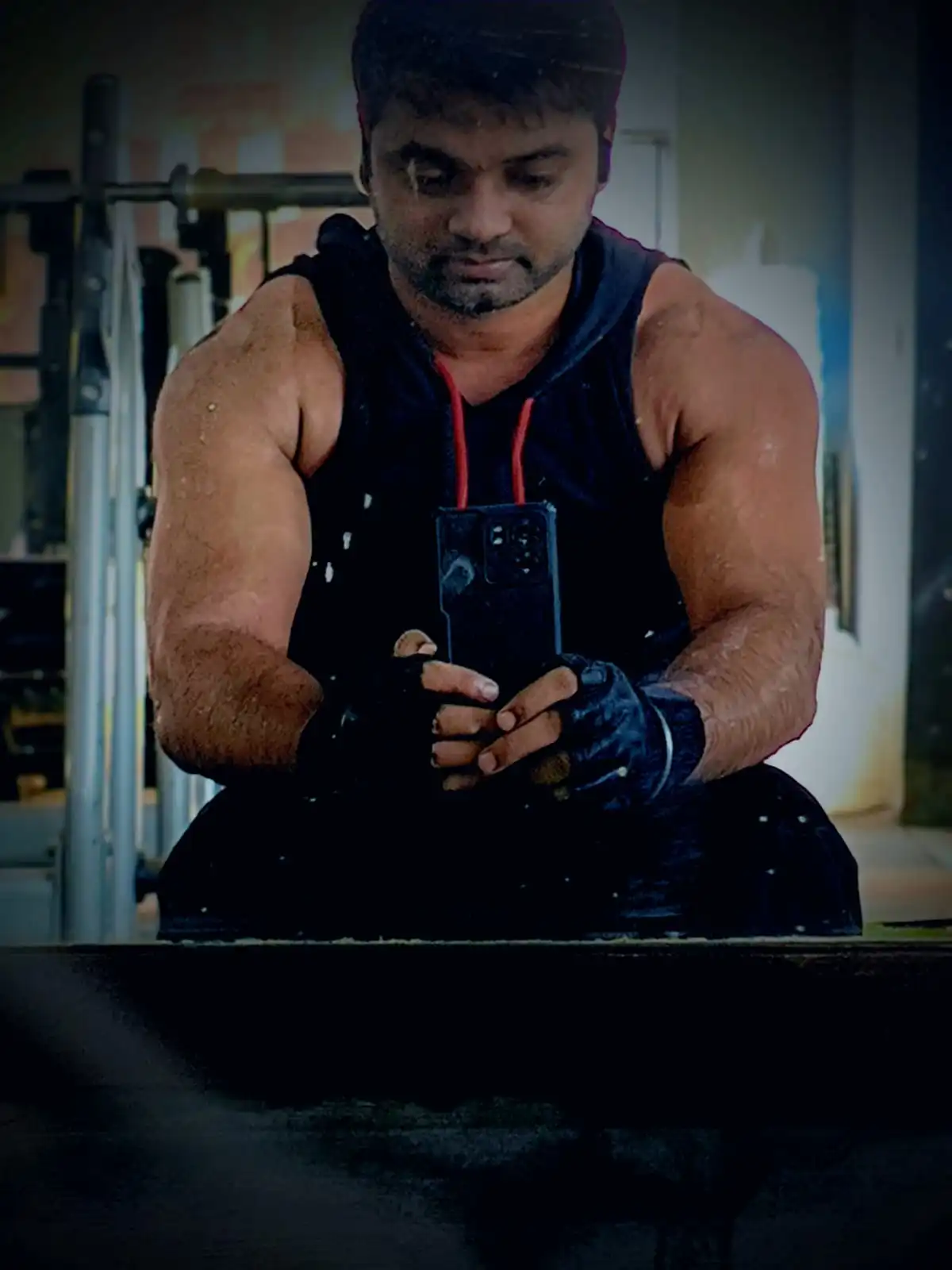
Alok Kumar Sharma
Alok Kumar Sharma writes these workout guides from the perspective of a regular gym-goer who learned more from fixing inconsistency than from chasing perfect phases on the way to build quads, glutes, and hamstrings with stable lower-body technique.
- Focus: Indian budget fitness, beginner gym systems, body recomposition, and sustainable muscle gain
- Training style: strength-first technique, simple tracking, and realistic progress over flashy challenge culture
- Typical lens: crowded commercial gyms, home-workout friction, hostel meals, office fatigue, and family-kitchen meal planning
- Every core guide is reviewed by Rahul Verma, Certified Fitness Trainer (ISSA) for exercise safety, setup, tempo, substitutions, and progression clarity