

Why this Glute workout feels more realistic in a busy week
Use this guide if you want stronger glutes and better hip control with movements that fit a normal beginner gym or a simple home setup.
Glute workouts often become low value when every page just throws hip thrusts at you without helping you feel the movement or adjust it to real gym setups This guide fixes that by giving you a structured glute plan that starts with stable technique and only then asks for more load or more volume.
Use it when you want build stronger glutes and better hip control with movements that fit normal beginner equipment without wasting half the session on random exercises that do not repeat well from week to week. Each featured movement below includes step-by-step execution, common mistakes, pro tips, and local form videos so the plan feels usable immediately.
If this sounds like your current situation
Use the points below to judge whether this Glute workout fits your current level, setup, and goal.
- You want glute-focused training but struggle to actually feel the target area working.
- You need a beginner glute session that does not depend on having a perfect hip-thrust setup.
- You want lower-body shape and hip strength that also help daily posture and lifting mechanics.
How to get value from this guide in the first week
Use these three steps to keep the page practical instead of letting it turn into another saved tab.
Run the first session as written
Start with main glute day and let Goblet Squat set the tone. The page becomes easier to judge when day one is clean instead of overbuilt.
Use the anchor lifts, then flex the rest
Keep the first one or two movements consistent and use the listed home or gym swaps only when the setup demands it. The anchors matter more than perfect exercise loyalty.
Track one performance signal
Log sets, reps, and one technique note on Goblet Squat. If that one movement looks better next week, the page is already giving you useful feedback.
Session map and weekly rhythm
Keep this setup steady for at least a month before rewriting it. Most beginners need more repetition, not more variation.
The schedule below assumes you are training three to five days per week. If you only train three days, keep the first glute day and rotate accessories from the second exposure into the next week.
| Day | Focus | Main session | Support work |
|---|---|---|---|
| Day 1 | Main glute day | Goblet squat, glute bridge, dumbbell lunge | Finish with standing hip extension |
| Day 2 | Recovery and walking | Normal steps plus mobility | Let glutes recover instead of adding random cardio punishments |
| Day 3 | Support day | Sumo squat, rear kick, lighter bridge work | Shorter rest and clean tempo |
| Day 4 | Rest or upper body | Keep lower body fresh | Protein-rich meals help the work show up |
Execution cues for the movements that drive results
The goblet squat, glute bridge, and dumbbell lunge give this page most of its value. The notes below explain how to feel those exercises in the hips and glutes instead of rushing through them.
Goblet Squat
Goblet squats are a practical first glute-builder because they teach depth, foot pressure, and pelvic control without complex setup. In the context of Glute Workouts for Beginners: train hips, glutes, and lower-body control with movements you can actually feel, this movement earns its place because it teaches repeatable effort instead of random fatigue.
Target muscles: Glutes, quads, adductors, trunk
Step-by-step instructions
- Plant the full foot, inhale into your midsection, and create tension before descending.
- Let the knees travel naturally while keeping pressure through the mid-foot instead of only the toes.
- Use a depth you can own with a neutral torso and stable hips.
- Stand up by driving the floor away, then reset the brace before repeating.
Common mistakes
- Rushing the descent so the knees and feet stop cooperating.
- Standing up with the chest collapsing and losing balance at the hardest point.
Pro tips
- Use your warm-up sets to find the foot stance that keeps the whole foot grounded before the work sets start.
Sets and reps for Goblet Squat in this glute workout: 3 sets of 8-12. Stop with 1-2 solid reps still in reserve unless the page says otherwise.
Home alternative: Bodyweight squat with a slower lowering phase
Gym alternative: Front squat or hack squat
Glute Bridge
Bridges help beginners finally feel the glutes working without lower-back tension taking over the whole set. In the context of Glute Workouts for Beginners: train hips, glutes, and lower-body control with movements you can actually feel, this movement earns its place because it teaches repeatable effort instead of random fatigue.
Target muscles: Glutes and hamstrings
Step-by-step instructions
- Start by sending the hips back while keeping the shin angle quiet and the spine long.
- Feel the stretch through the hamstrings before you think about the load in your hands.
- Keep the bar, dumbbells, or torso close to the body as you reverse the movement.
- Finish tall by squeezing the glutes rather than leaning back.
Common mistakes
- Adding speed before you own the pattern.
- Letting the easiest body part compensate for the weakest one.
Pro tips
- Keep one rep in reserve on the first week so your technique stays sharp enough to build on next session.
Use roughly 3 sets of 10-15 for Glute Bridge in this glute workout. The goal is repeatable quality, not squeezing out sloppy extras.
Home alternative: Floor bridge with pause
Gym alternative: Barbell hip thrust
Dumbbell Lunge
Lunges add the single-leg work that glute plans need if you want the hips to feel strong outside the machine area too. In the context of Glute Workouts for Beginners: train hips, glutes, and lower-body control with movements you can actually feel, this movement earns its place because it teaches repeatable effort instead of random fatigue.
Target muscles: Glutes, quads, single-leg balance
Step-by-step instructions
- Plant the full foot, inhale into your midsection, and create tension before descending.
- Let the knees travel naturally while keeping pressure through the mid-foot instead of only the toes.
- Use a depth you can own with a neutral torso and stable hips.
- Stand up by driving the floor away, then reset the brace before repeating.
Common mistakes
- Rushing the descent so the knees and feet stop cooperating.
- Standing up with the chest collapsing and losing balance at the hardest point.
Pro tips
- Use your warm-up sets to find the foot stance that keeps the whole foot grounded before the work sets start.
Use roughly 3 sets of 8-10 per side for Dumbbell Lunge in this glute workout. The goal is repeatable quality, not squeezing out sloppy extras.
Home alternative: Static split squat
Gym alternative: Smith-machine reverse lunge
Standing Hip Extension
Hip extensions are a simple way to add direct glute tension without beating up the lower back after squats and lunges. In the context of Glute Workouts for Beginners: train hips, glutes, and lower-body control with movements you can actually feel, this movement earns its place because it teaches repeatable effort instead of random fatigue.
Target muscles: Glute max and hip control
Step-by-step instructions
- Set your upper arm angle before the set and keep it consistent while the forearm moves.
- Brace your trunk so you are not turning triceps work into a lower-back movement.
- Lock out through the elbow only as far as you can without shoulder shrugging.
- Take the handle back slowly so the triceps stay loaded between reps.
Common mistakes
- Adding speed before you own the pattern.
- Letting the easiest body part compensate for the weakest one.
Pro tips
- Keep one rep in reserve on the first week so your technique stays sharp enough to build on next session.
For Standing Hip Extension, work in the 2 x 12-15 per side range here and leave a little technical margin so the last rep still looks like the first in this glute workout.
Home alternative: Band standing hip extension
Gym alternative: Cable hip extension
Rear Kick
Rear kicks work well as a lighter finisher when you want to feel the glutes without another heavy compound lift. In the context of Glute Workouts for Beginners: train hips, glutes, and lower-body control with movements you can actually feel, this movement earns its place because it teaches repeatable effort instead of random fatigue.
Target muscles: Glute max and hip extension finish
Step-by-step instructions
- Set your body position before the first rep so balance and bracing are already in place.
- Move through the range you can control with steady breathing and no rushed transition.
- Keep the target muscle doing the work instead of chasing weight with extra body movement.
- Finish each rep with a short reset so the next one starts from the same clean position.
Common mistakes
- Adding speed before you own the pattern.
- Letting the easiest body part compensate for the weakest one.
Pro tips
- Keep one rep in reserve on the first week so your technique stays sharp enough to build on next session.
Use roughly 2 sets of 12-15 per side for Rear Kick in this glute workout. The goal is repeatable quality, not squeezing out sloppy extras.
Home alternative: Quadruped donkey kick
Gym alternative: Cable kickback
Sumo Squat
A wider squat pattern gives the page a second squat variation that feels different from the main goblet setup without becoming random. In the context of Glute Workouts for Beginners: train hips, glutes, and lower-body control with movements you can actually feel, this movement earns its place because it teaches repeatable effort instead of random fatigue.
Target muscles: Glutes, adductors, quads
Step-by-step instructions
- Plant the full foot, inhale into your midsection, and create tension before descending.
- Let the knees travel naturally while keeping pressure through the mid-foot instead of only the toes.
- Use a depth you can own with a neutral torso and stable hips.
- Stand up by driving the floor away, then reset the brace before repeating.
Common mistakes
- Rushing the descent so the knees and feet stop cooperating.
- Standing up with the chest collapsing and losing balance at the hardest point.
Pro tips
- Use your warm-up sets to find the foot stance that keeps the whole foot grounded before the work sets start.
For Sumo Squat, work in the 2 x 10-12 range here and leave a little technical margin so the last rep still looks like the first in this glute workout.
Home alternative: Wide-stance bodyweight squat
Gym alternative: Smith-machine sumo squat
Four-week checkpoint
Progress on this page should show up as cleaner work on Goblet Squat and Glute Bridge, not as chaos that only feels tougher.
Week 1: Build the groove
Start with cleaner reps, calmer pacing, and enough restraint that the second exposure still feels useful. The point is to build rhythm around main glute day, not to win the week.
Week 2: Add useful work
Add a small rep increase or one extra set on the first one or two movements if form stays sharp, especially around Goblet Squat. If recovery is bad, keep volume steady and improve execution instead of forcing build stronger glutes and better hip control with movements that fit normal beginner equipment.
Week 3: Push the main lifts a little
This is the week to make Goblet Squat feel more serious without turning the session chaotic. Small load jumps or cleaner tempo usually beat a dramatic rewrite when the goal is build stronger glutes and better hip control with movements that fit normal beginner equipment.
Week 4: Compare, then recycle
Use the fourth week as a checkpoint, not a finish line. If the anchor lifts in main glute day are cleaner and recovery is manageable, recycle the structure and keep building from there.
Most beginners start feeling the glutes more clearly within two to four weeks. Visible shape changes and stronger hip extension usually take 8-12 weeks of repeatable training and adequate food.
How to make this fit a family kitchen, hostel, or office schedule
Training only sticks when the meals, timing, and recovery habits are realistic enough to repeat next week too, especially when build stronger glutes and better hip control with movements that fit normal beginner equipment is the target.
Use a protein anchor plus enough carbs to make the next session feel repeatable: eggs, milk, paneer, curd, dal, soy, rice, roti, potatoes, bananas, and peanuts still do most of the heavy lifting around main glute day.
Pre-workout
Your pre-workout meal does not need to be fancy. Something easy to digest with a little protein and carbs is enough if it helps main glute day start on time.
Budget reality
Prepare the floor space, first exercise, and timer before motivation becomes the bottleneck. Home plans improve when startup friction gets cut aggressively around Goblet Squat.
What readers usually skip
- If you mostly feel quads during glute work, slow the lowering phase and pause where the hips are doing the hardest part of the rep.
- A lot of beginners need glute bridges and hip extensions first before a heavy hip-thrust setup finally makes sense.
- Busy gyms are one reason glute plans fail. Have a dumbbell-based version ready so you do not skip the whole session when the bench area is crowded.
- Do not chase soreness as proof. Better range, better tension, and stronger reps are more useful signs that the plan is working.
Glute training principles that matter more than extra exercises
Most people do not need more glute exercises. They need better exercise order, cleaner range of motion, and a weekly structure they can repeat while fresh enough to notice progress.
The first movement here teaches the main strength pattern, the middle of the session adds controlled volume, and the final slots are there to sharpen weak points without turning the whole workout into junk fatigue.
If you never feel glute work where you expect to
That usually means the load is too heavy, the range is too rushed, or the setup is turning into a lower-back movement.
Use the first two exercises on this page to learn control first. The shape changes come later, but the movement quality has to show up first.
Common sticking points and how to adjust
Use these adjustments to keep Goblet Squat and the rest of the page effective whether you are coming in fresh or returning with a base around build stronger glutes and better hip control with movements that fit normal beginner equipment.
If you are newer than you think
Keep the page smaller than your motivation. Use the main lifts, leave a little in reserve, and make your setup on Goblet Squat look the same every time before adding more total work toward build stronger glutes and better hip control with movements that fit normal beginner equipment.
If you already have a base
If recovery is going well, add one focused accessory or make the final working set more demanding. Keep the same glute-focused structure and let better execution drive the change.
| Main movement | Home-friendly option | Gym-friendly option |
|---|---|---|
| Goblet Squat | Bodyweight squat with a slower lowering phase | Front squat or hack squat |
| Glute Bridge | Floor bridge with pause | Barbell hip thrust |
| Dumbbell Lunge | Static split squat | Smith-machine reverse lunge |
| Standing Hip Extension | Band standing hip extension | Cable hip extension |
| Rear Kick | Quadruped donkey kick | Cable kickback |
| Sumo Squat | Wide-stance bodyweight squat | Smith-machine sumo squat |
Frequently asked questions
These are the questions most likely to come up once you try to use the page in real life.
Do I need every exercise listed on this page?
No. The first one or two anchor movements matter most. Use the substitutions when your setup demands it and keep the training intent intact instead of forcing one exact version.
How many times a week should I use this guide?
Use it at the frequency suggested in the weekly layout and let Goblet Squat tell you whether recovery is keeping up. If the first movement keeps getting sloppier, simplify before you add more volume.
When should I progress the plan?
Progress when the current version looks cleaner and more repeatable, not just when you feel impatient. Small rep bumps, cleaner tempo, or one extra set usually beat a dramatic rewrite.
References and review standards
These references support the coaching choices in Glute Workouts for Beginners: train hips, glutes, and lower-body control with movements you can actually feel. They are here to ground the page in published guidance and better evidence, not to replace individualized coaching or medical care.
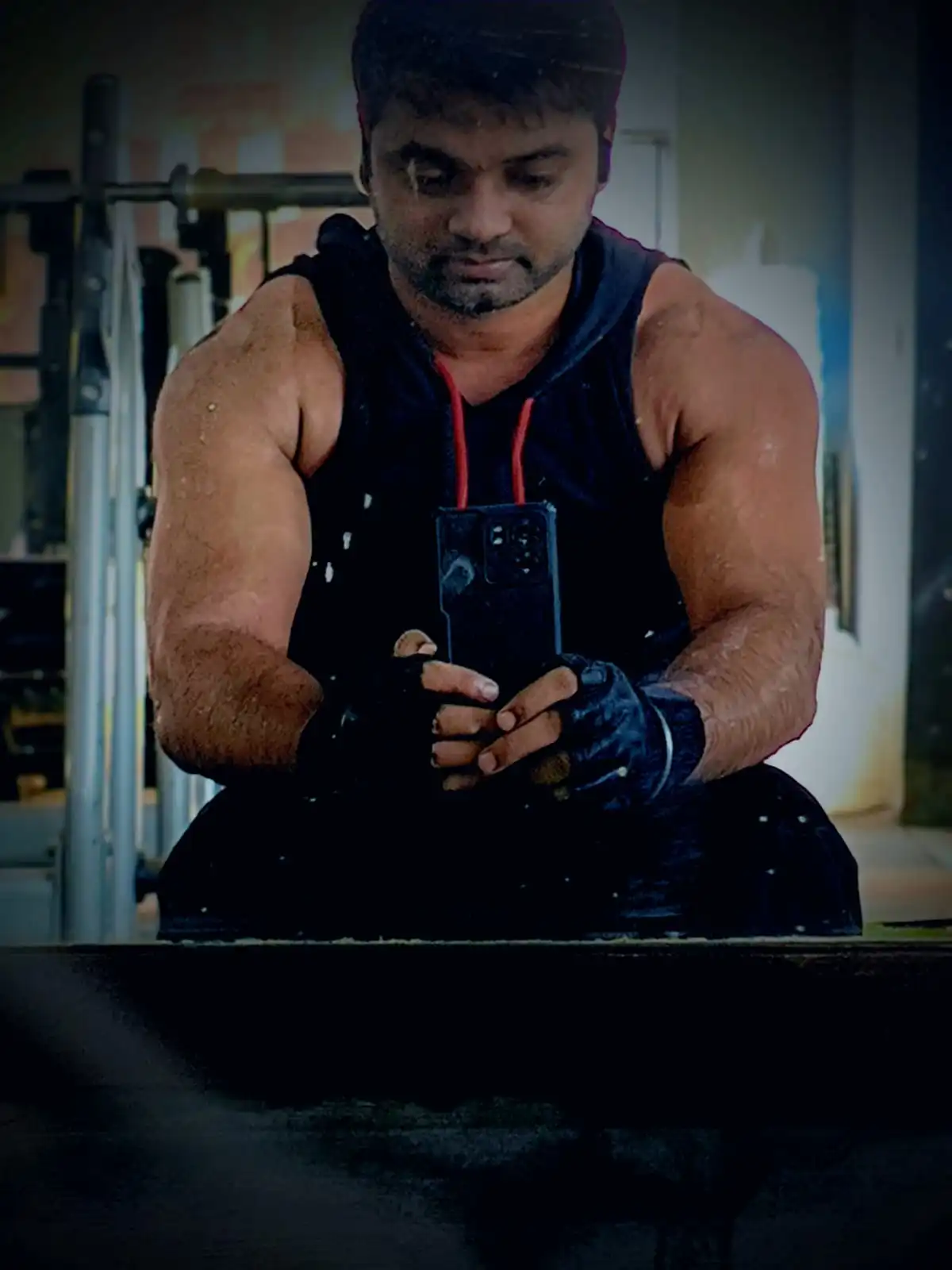
Alok Kumar Sharma
Alok Kumar Sharma builds GymPedia's training pages for readers who want practical coaching cues, not copied gym jargon or one-size-fits-all routines in a commercial gym or well-equipped home setup.
- Focus: Indian budget fitness, beginner gym systems, body recomposition, and sustainable muscle gain
- Training style: strength-first technique, simple tracking, and realistic progress over flashy challenge culture
- Typical lens: crowded commercial gyms, home-workout friction, hostel meals, office fatigue, and family-kitchen meal planning
- Every core guide is reviewed by Rahul Verma, Certified Fitness Trainer (ISSA) for exercise safety, setup, tempo, substitutions, and progression clarity